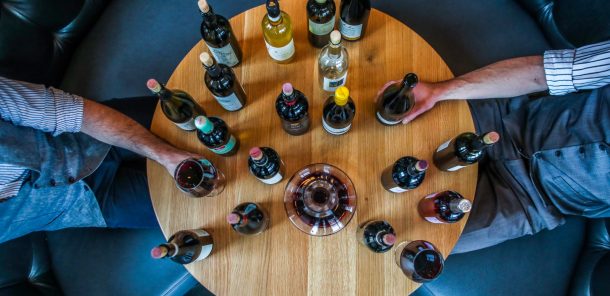
If wine is pulling you in, and it has a way of doing that, wine education is what turns curiosity into confidence.
It doesn't matter whether you're just starting to pay attention to what's in your glass or quietly building a cellar in a spare bedroom. Understanding wine was never supposed to feel like an exam. It's not about memorizing obscure terminology or performing enthusiasm for flavors you're not sure you actually taste. It's about learning how a wine expresses its place, its vintage, its maker, and discovering what genuinely moves you.
That's what wine education looks like at The Wine Riff. Approachable, specific, and useful. No gatekeeping, no performance. Just the kind of knowledge that makes every bottle more interesting and every purchase more confident.
Why Wine Education Matters
Wine knowledge transforms how you experience every bottle. Instead of simply drinking wine, you begin to understand:
- Why one Cabernet Sauvignon tastes richer than another
- How climate and terroir influence flavor
- Which wines pair best with food
- What tannins, acidity, minerality, and body actually mean
- How to identify aromas and flavors more confidently
- Which wines fit your personal taste preferences
The result? Better buying decisions, more enjoyable experiences, and greater appreciation for what’s in your glass.
What Is Wine?
At its simplest, wine is fermented grape juice. During fermentation, yeast converts grape sugars into alcohol, creating one of humanity’s oldest and most celebrated beverages.
Yet wine is remarkably complex because every bottle reflects:
- Grape variety (Cabernet Sauvignon, Pinot Noir, Chardonnay)
- Climate (cool vs. warm regions)
- Soil composition
- Winemaking techniques
- Vintage conditions
- Aging methods
Together, these factors create what wine lovers call **terroir** — the unique fingerprint of where a wine originates.
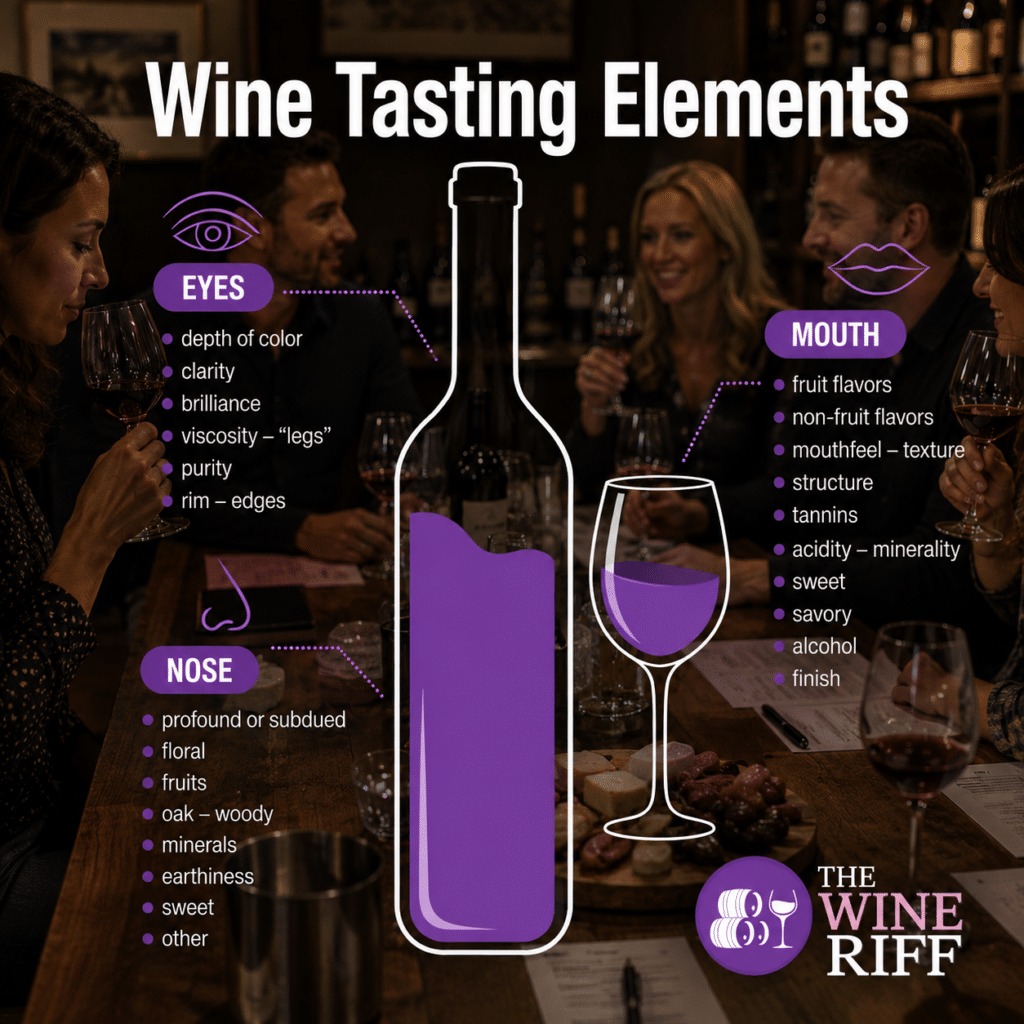
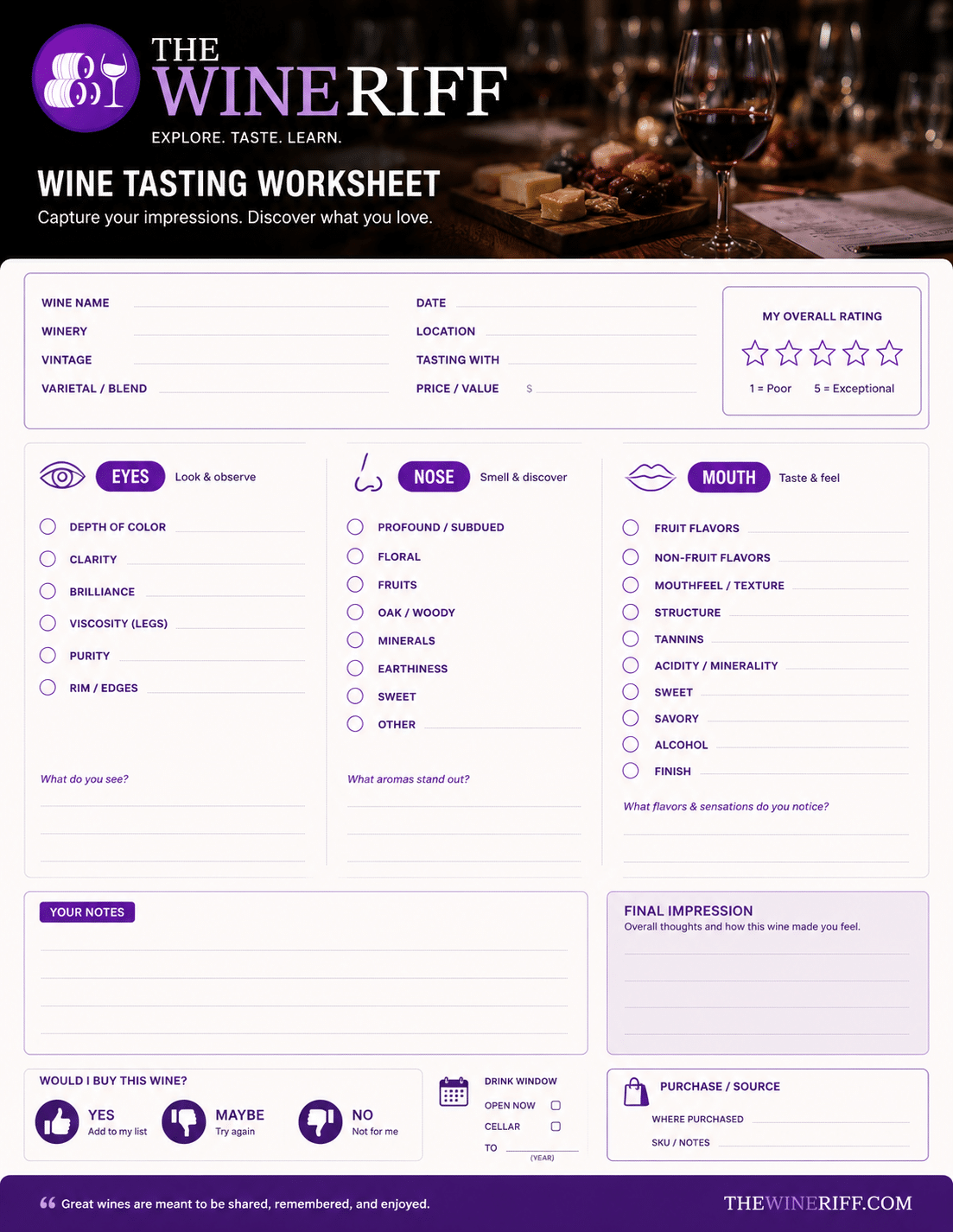
The 3 Essential Wine Tasting Elements
1. Eyes: What Do You See?
Visual clues reveal important details before the first sip.
Evaluate:
✓ Color depth
✓ Clarity
✓ Brilliance
✓ Viscosity (“legs”)
✓ Rim variation
✓ Overall appearance
A deeper color may suggest concentration or age, while viscosity often hints at alcohol level or richness.
2. Nose: What Do You Smell?
Aromas provide some of wine’s most fascinating insights.
Common aroma categories include:
Fruit Aromas
Cherry, blackberry, citrus, apple, plum, tropical fruit
- Floral Aromas
Rose, violet, lavender - Earth & Mineral Notes
Forest floor, wet stone, mushroom - Oak & Spice
Vanilla, cedar, clove, baking spices
The more wines you taste, the easier identifying aromas becomes.
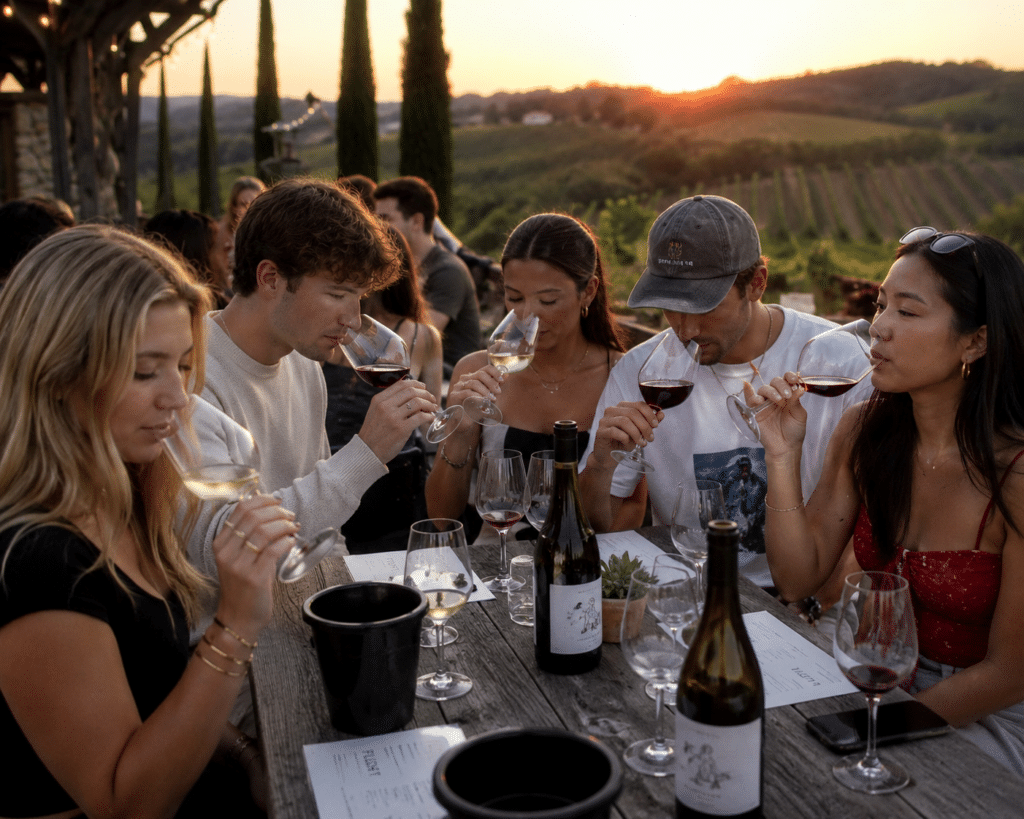
3. Mouth: What Do You Taste and Feel?
This is where structure comes alive.
Assess:
* Fruit flavors
* Acidity
* Sweetness
* Tannins
* Texture
* Alcohol
* Body
* Finish
Ask yourself:
Is the wine balanced?
Does the finish linger?
Would you want another sip?
Those questions often reveal more than technical terminology.
Common Wine Styles Explained
Understanding major wine categories helps narrow your preferences.
Red Wines
Typically fuller-bodied with tannins and darker fruit flavors.
Popular examples:
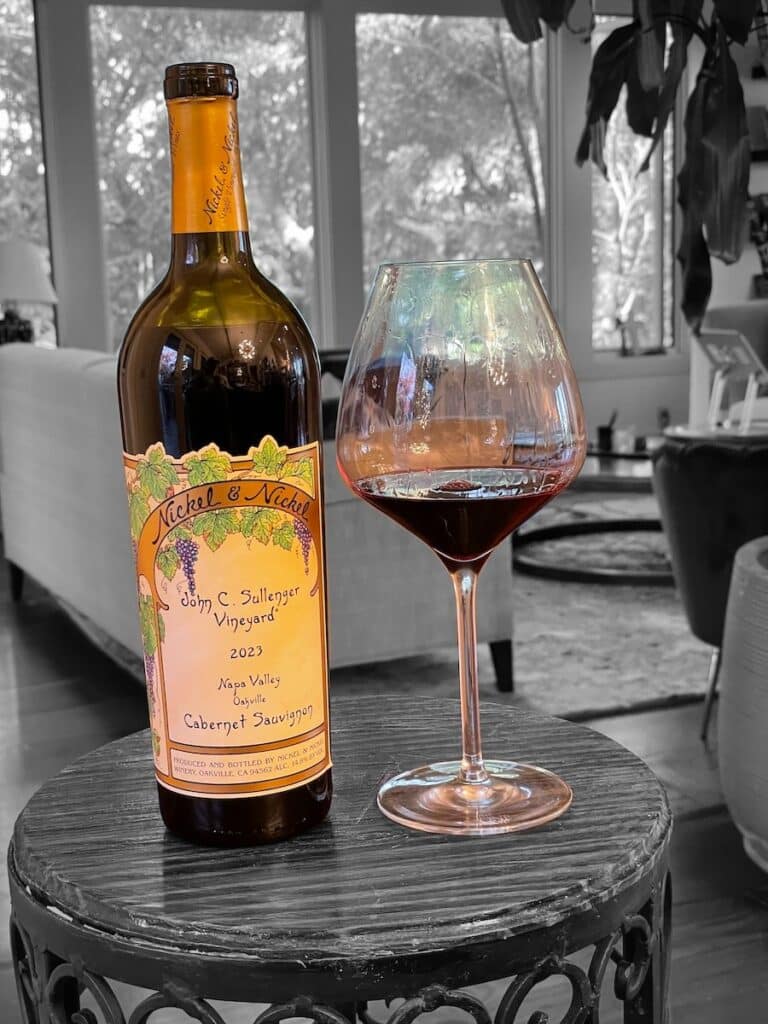
- Cabernet Sauvignon
- Cabernet Franc
- Red Blends
- Pinot Noir
- Syrah
- Merlot
- Zinfandel
- Grenache
- Tempranillo
White Wines
Usually brighter, fresher, and more acid-driven.
Examples:
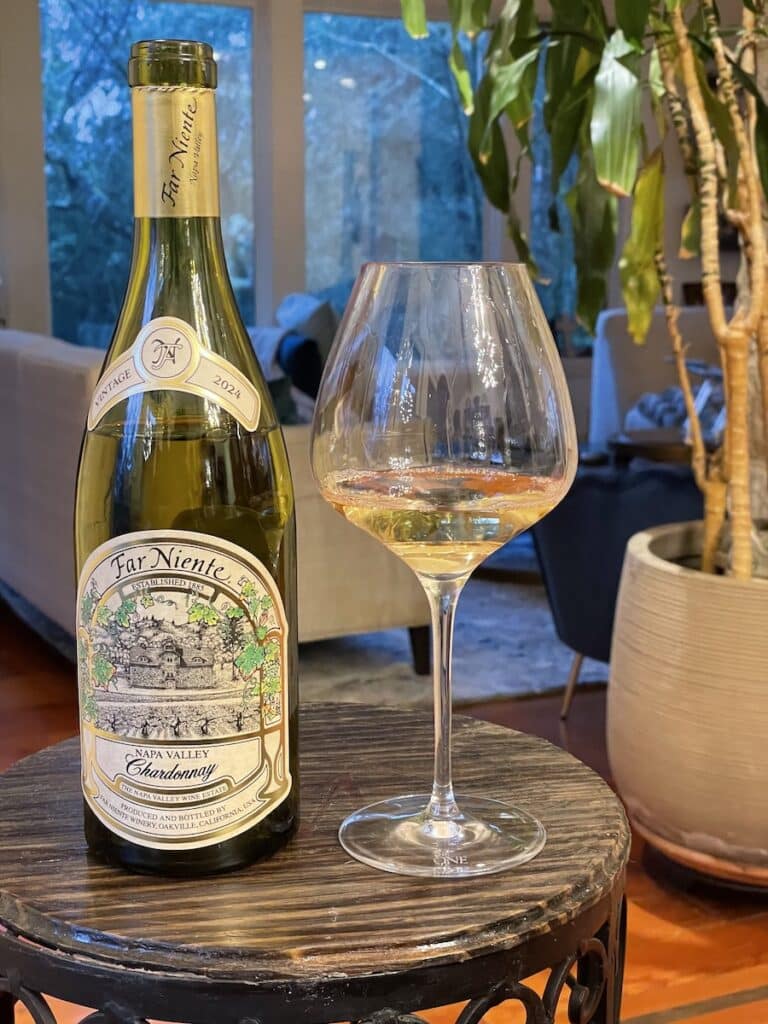
- Chardonnay
- White Wine Blends
- Sauvignon Blanc (Sancerre)
- Riesling
- Pinot Grigio
- Pinot Blanc
- Viognier
- Roussanne
- Marsanne
Rosé Wines
Fresh, versatile, and highly food-friendly.
Sparkling Wines
Celebratory, lively, and often excellent with food.
Dessert Wines
Sweet styles designed for pairing or sipping.
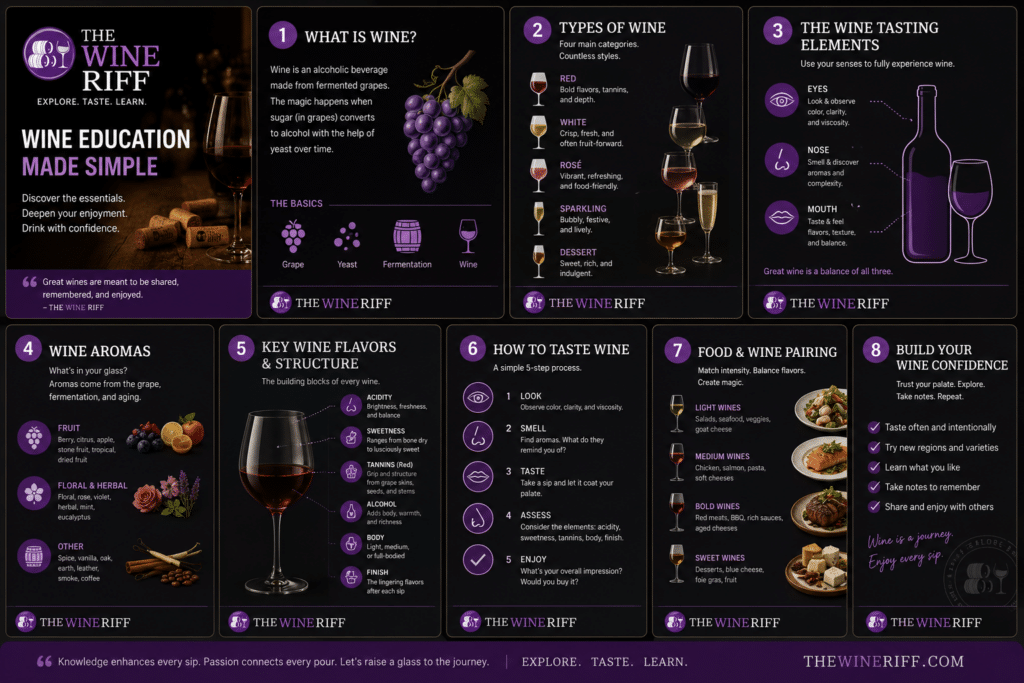
Food and Wine Pairing Basics
Successful pairings balance intensity.
Light Wines → Lighter Foods
Sauvignon Blanc + seafood + cheeses + poultry
Medium Wines → Richer Dishes
Pinot Noir + salmon + pork
Bold Wines → Hearty Meals
Cabernet Sauvignon + steak + hearty stews
Sweet Wines → Salty or Dessert Pairings
Late harvest wines + cheese + liver pate
→ The goal isn’t perfection. The goal is discovering combinations you love.
Build Confidence One Glass at a Time
Wine education isn’t about becoming a sommelier overnight.
Confidence develops through:
✓ Tasting regularly
✓ Trying new regions and varieties
✓ Taking notes
✓ Comparing wines side-by-side
✓ Learning your preferences
→ The more intentionally you explore, the more rewarding wine becomes.
Start Your Wine Journey with
The Wine Riff
At The Wine Riff, we help wine lovers discover expertly selected wines while learning the stories behind the vineyards, vintages, and winemakers.
Because the best bottles don’t just taste good.
They create memories.
→ Explore. Taste. Learn. Enjoy.
NOTE: All wines offered for sale on this website are sold through our affiliate and fulfillment partner, Wine Country Connection.
WARNING: Drinking distilled spirits, beer, coolers, wine and other alcoholic beverages may increase cancer risk, and, during pregnancy, can cause birth defects. For more information go to www.P65Warnings.ca.gov/alcohol.